
Respiratory Syncytial Virus (RSV)
23/02/2567 14:17:59 | Views: 15,545
Respiratory Syncytial Virus (RSV) is a common respiratory virus that causes cold-like symptoms in children and adults. RSV can cause severe infection leading to pneumonia or bronchiolitis in some people, especially premature infants, older adults or anyone with a weak immune system.
What is RSV?
Respiratory Syncytial Virus (RSV) is a respiratory virus that causes infections of both upper and lower respiratory tracts. It spreads easily through the air on infected respiratory droplets (within the distance of less than 6 feet). Both adults and children can become infected if someone with RSV coughs or sneezes nearby. The virus also passes to others through direct contact and can live on hard objects for more than 30 minutes.
Symptoms of RSV
Signs and symptoms of Respiratory Syncytial Virus infection most commonly appear about four to six days after exposure to the virus. In adults and older children, RSV usually causes mild cold-like signs and symptoms, including runny nose, cough, sore throat, sneezing and low-grade fever. These symptoms are usually relieved by 2-3 days. However, in 20-30% of the cases, RSV can cause severe infection in some people and can spread to the lower respiratory tract, causing pneumonia and/or bronchiolitis. Symptoms of severe cases involve fever, severe cough, wheezing (high-pitched noise that’s usually heard on breathing out), rapid breathing or difficulty breathing. Premature babies and young infants, as well as older adults, with heart or lung disease or a weakened immune system are at higher risk for developing severe infection.
Noticing symptoms of RSV
Symptoms of RSV mimics symptoms of flu, including high fever, cough, runny nose and a lot of mucus. However, in RSV, the development of mucus is often numerous, leading to difficulty in breathing causing chest muscles and skin to pull inward with each breath: short, shallow, rapid breathing and wheezing especially in young infants. Seek immediate medical attention if your child has high fever, struggling to breathe, has wheezing or poor feeding.
Treatment of RSV Infection
Treatment of Respiratory Syncytial Virus infection generally involves supportive care. Hospital care may be needed if severe symptoms occur. Supportive care includes over-the-counter medication such as acetaminophen to reduce fever, using nasal saline drops and suctioning to clear nose, and offering fluids. If RSV infection is severe, a hospital stay may be necessary. Treatments at the hospital may include intravenous (IV) fluids, supplemental oxygen, suctioning of mucus or tube feeding.
Prevention of RSV Infection
Lifestyle habits to help prevent the spread of infection, include washing your hands often, avoid exposure (limiting contact with people who have fever or cold symptoms), keep things clean, wash toys regularly and don’t smoke (as babies who are exposed to tobacco smoke have higher risk of developing more severe symptoms). People who are infected with RSV may be infected again. RSV is usually contagious for 3 to 8 days and may become contagious a day or two before they start showing signs of illness. However, some infants or people with weakened immune systems, can continue to spread the virus in a longer period of time. It is generally advisable to stop going to school for at least 1 week to prevent the spreading of RSV.
By

Panyapan Tiraprasidporn, M.D.
Article
Breast Cancer Surgery
- More
- 23/02/2567 14:00:52
Electrocardiography
Heart disease screening using an electrocardiogram is a preliminary test to detect any abnormalities that may occur or have occurred.
- More
- 17/09/2567 16:03:58
Package
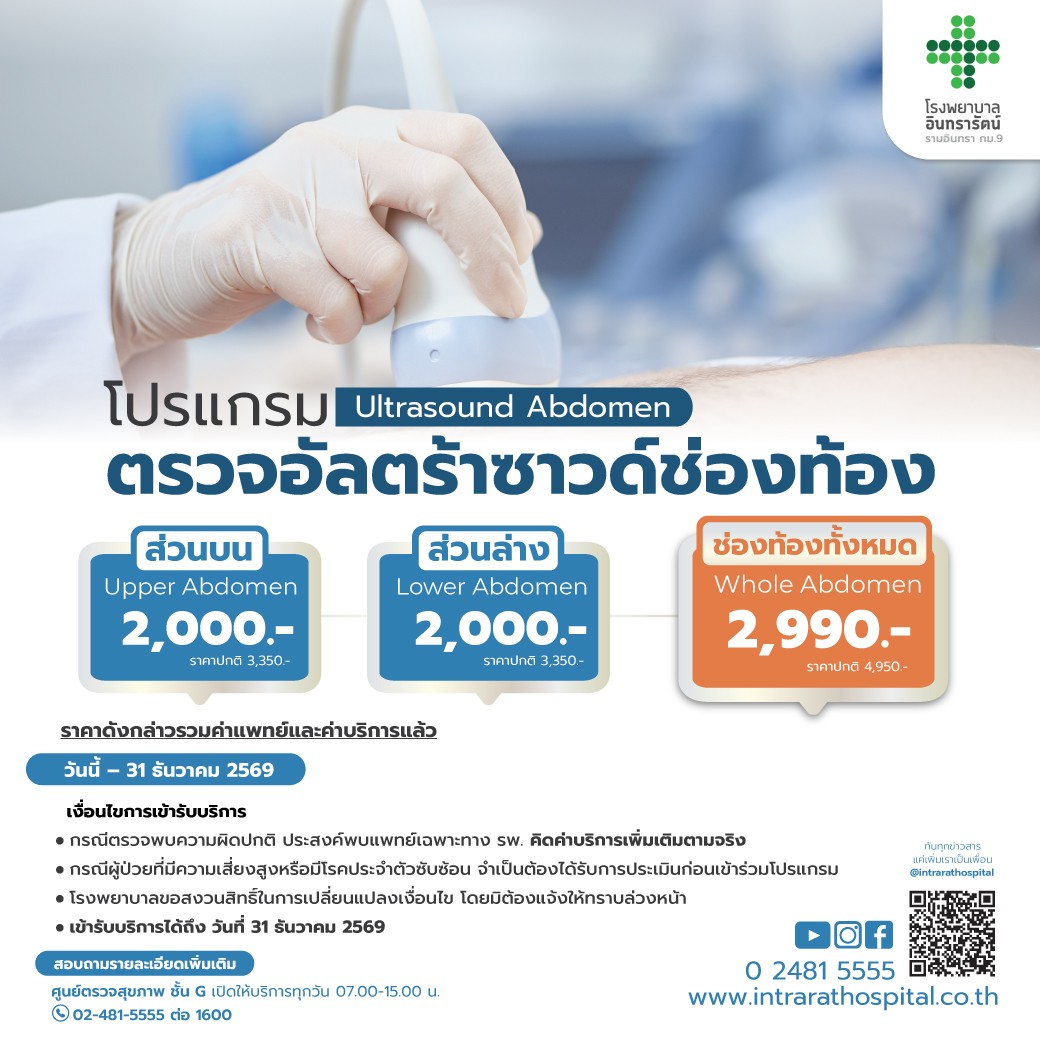
Program Ultrasound Abdomen
- More
- 30/07/2569 15:38:48
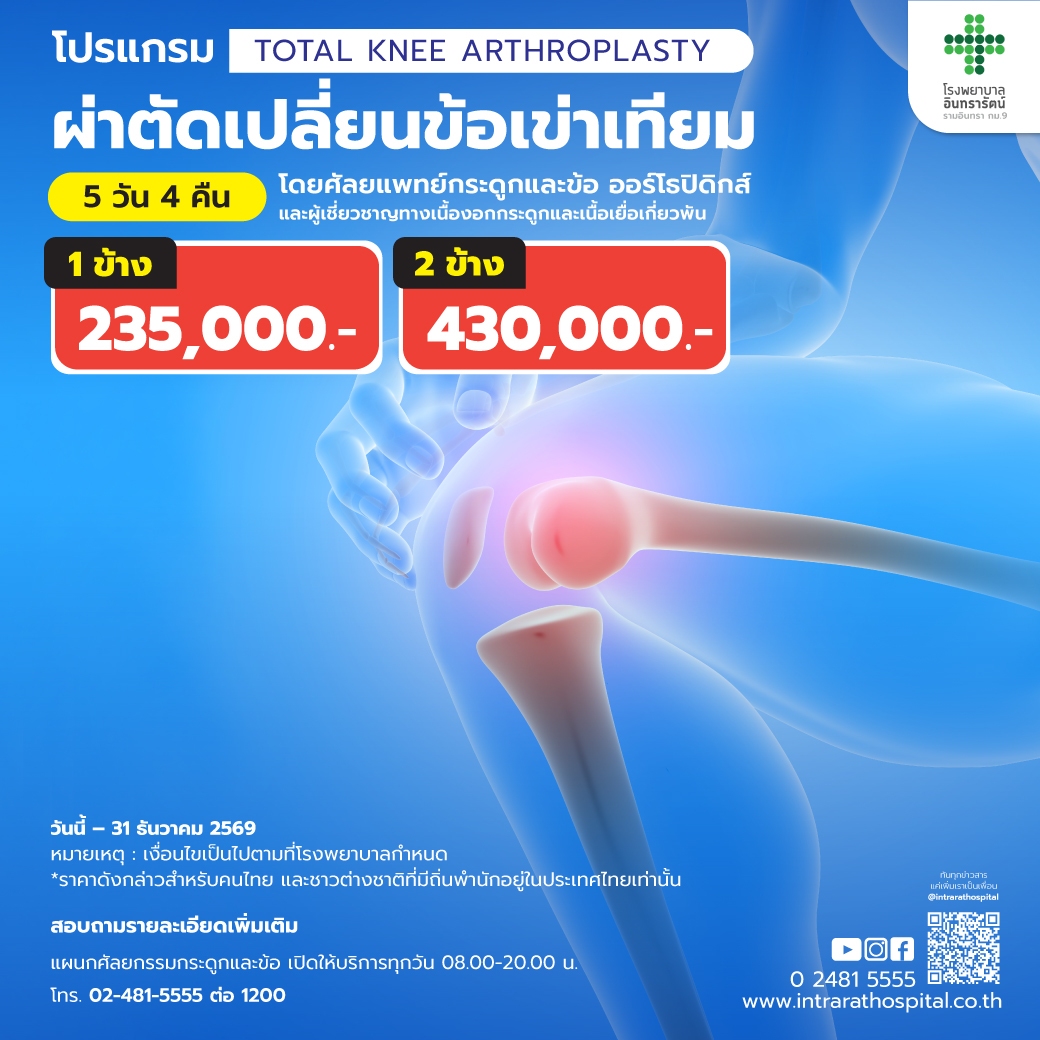
Total Knee Arthroplasty (TKA)
- More
- 30/07/2569 15:37:57
Copyright @ 2021. All Rights Reserved By Intrarat Hospital