
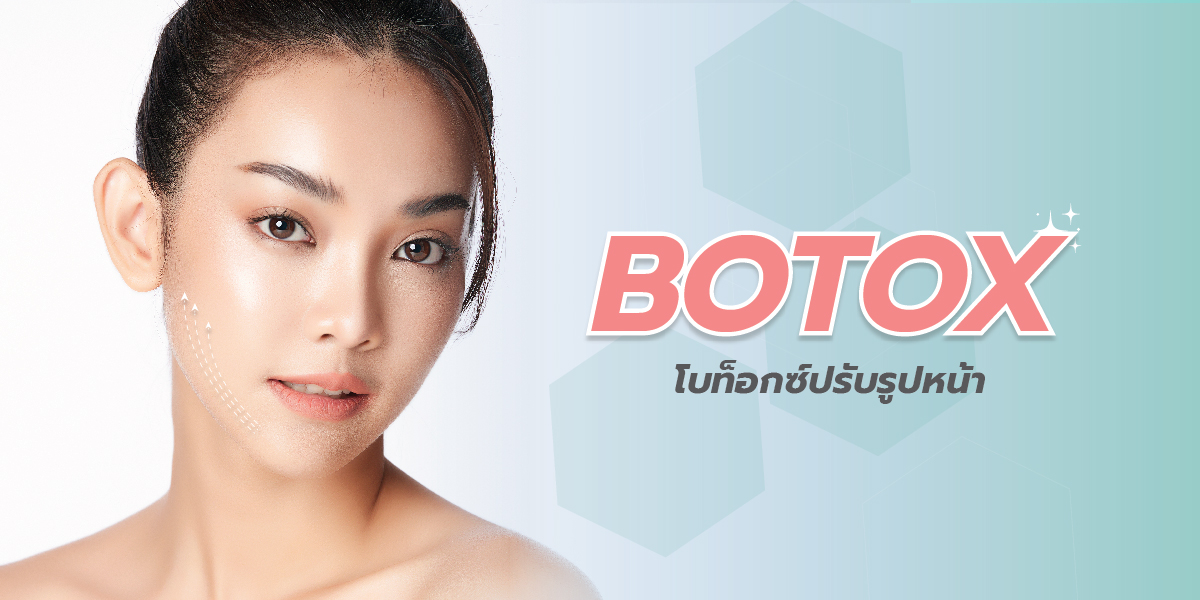
BOTULINUM TOXIN (BOTOX)
26/01/2567 13:25:51 | Views: 19,258Botulinum toxin is produced by Clostridium botulinum, a gram-positive anaerobic bacteria. Technicians dilute and sterilize the botulinum toxins for medical uses. The injection works by weakening certain muscles or by blocking certain nerves. Doctors use Botulinum toxin in small doses to treat health problems, including chronic migraine, severe sweating and decreasing muscle spasm.
There are different brand names for botulinum toxin injections, including Botox, Dysport, Xeomin, Nabota, Aestox and Hugel. However, most people usually referred botulinum toxin as Botox. There are differences for different brands, including the usage and the price. Not all products treat the same problems. Healthcare provider can discuss the best option for the treatment.
- Botox treatment areas
The most popular area of use for Botox is the face. By relaxing different facial muscles, wrinkles can be minimized. This includes the frown lines, forehead lines, the top of the nose, around the eyes, eyebrows, jawline, jaw angle and neck. Botox can also be used on the armpits, hands and feet to decrease sweating in the area. Botox can be injected into the calf to balance the slender legs.
-
After Botox treatment
- After treatment, small bumps may be visible on the skin. Do not massage or rub to prevent spreading of botulinum toxin to unwanted areas.
**Keep upright for 4 hours (do not lie down for at least 4 hours after receiving Botox)**
- Avoid exposure to heat, including saunas and hot tubs for 2-4 weeks
- Side effects from botulinum toxin injections vary depending on the area receiving treatment. Most issues are mild and improve within a day. Possible side effects include pain, swelling, redness or bruising at the treatment site or headache.
- Face can be washed and make up can be applied 24 hours after receiving Botox.
-
People who are not suitable for Botox Treatment:
- Pregnant or breastfeeding
- Neuromuscular disease
- Infection at the treatment site
By

Apirat Rodjanont, M.D.
Article
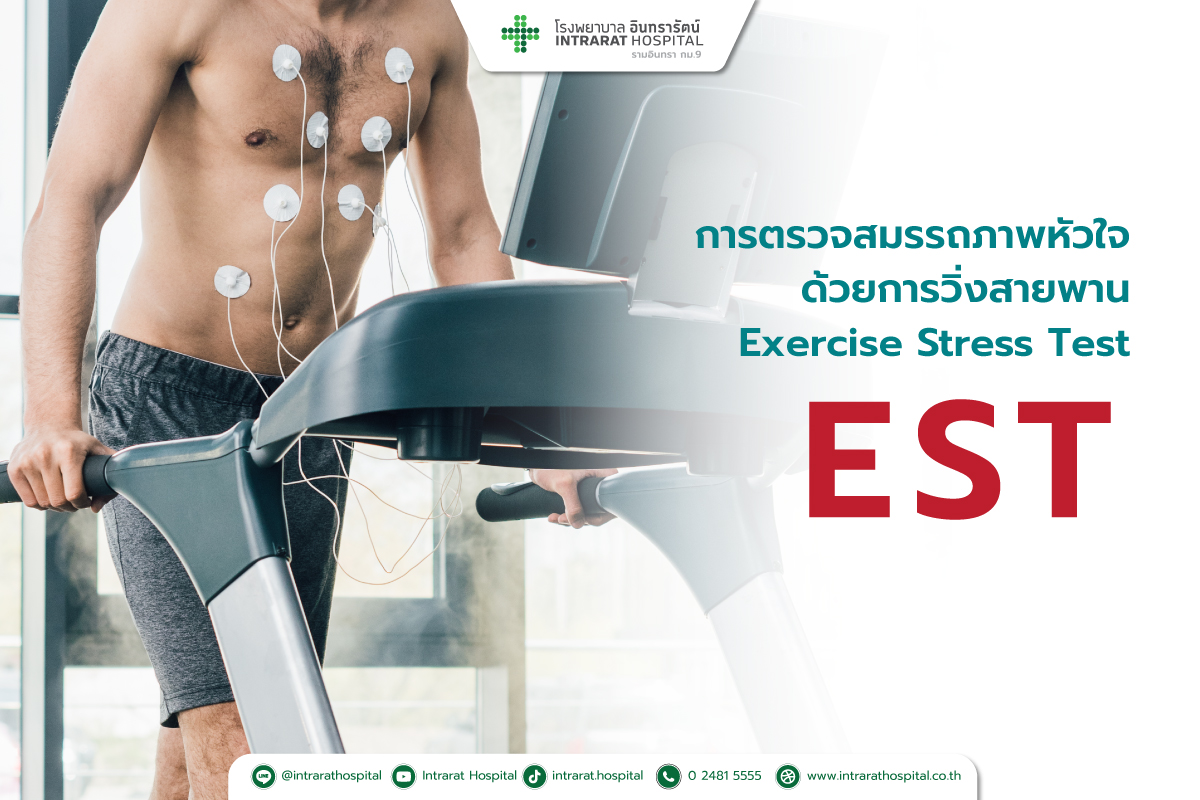
Exercise Stress Test (EST)
Testing your heart's fitness while exercising: EST (Exercise Stress Test) is an electrocardiogram while working hard.
- More
- 20/08/2567 09:32:54
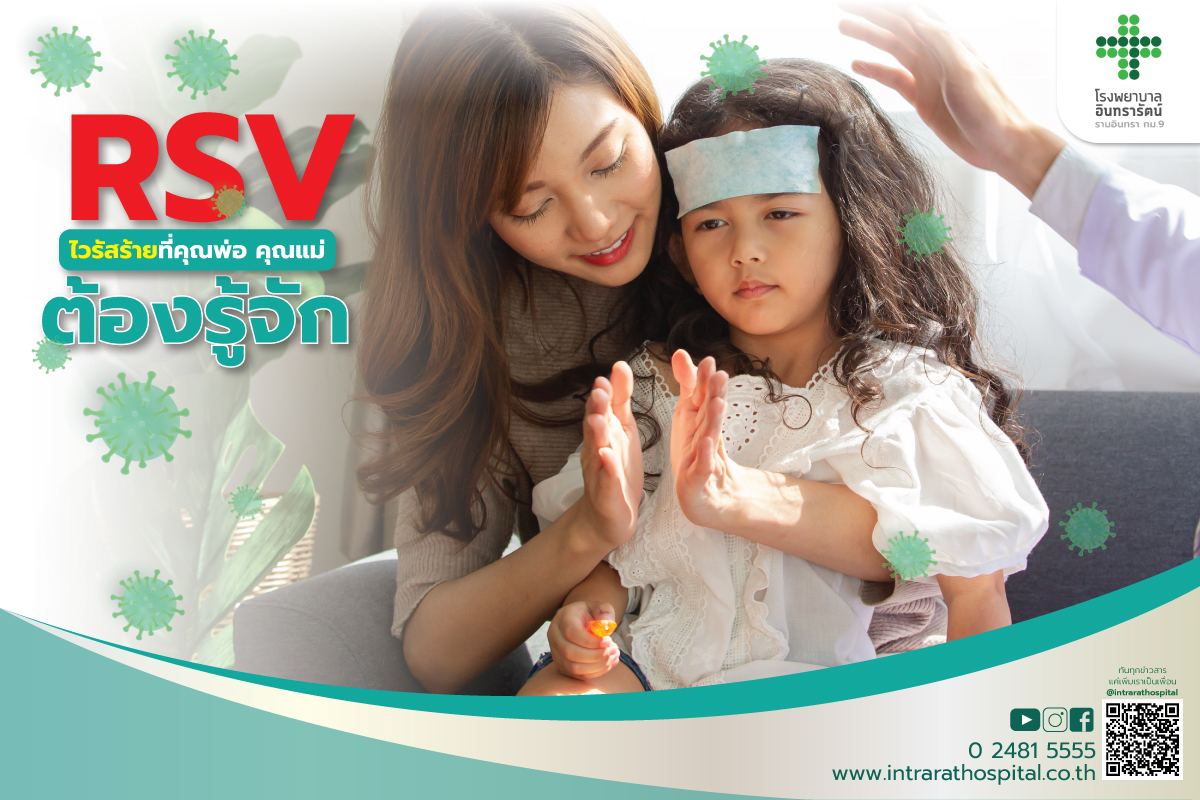
Respiratory Syncytial Virus (RSV)
common respiratory virus that causes cold-like symptoms in children and adults. RSV
- More
- 23/02/2567 14:17:59
Package
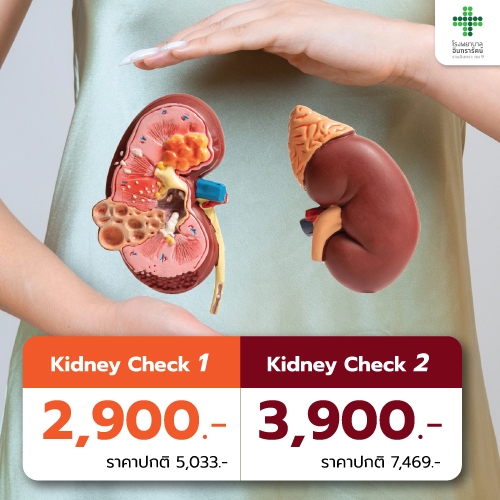
Program Kidney Check
- More
- 16/03/2569 11:38:28
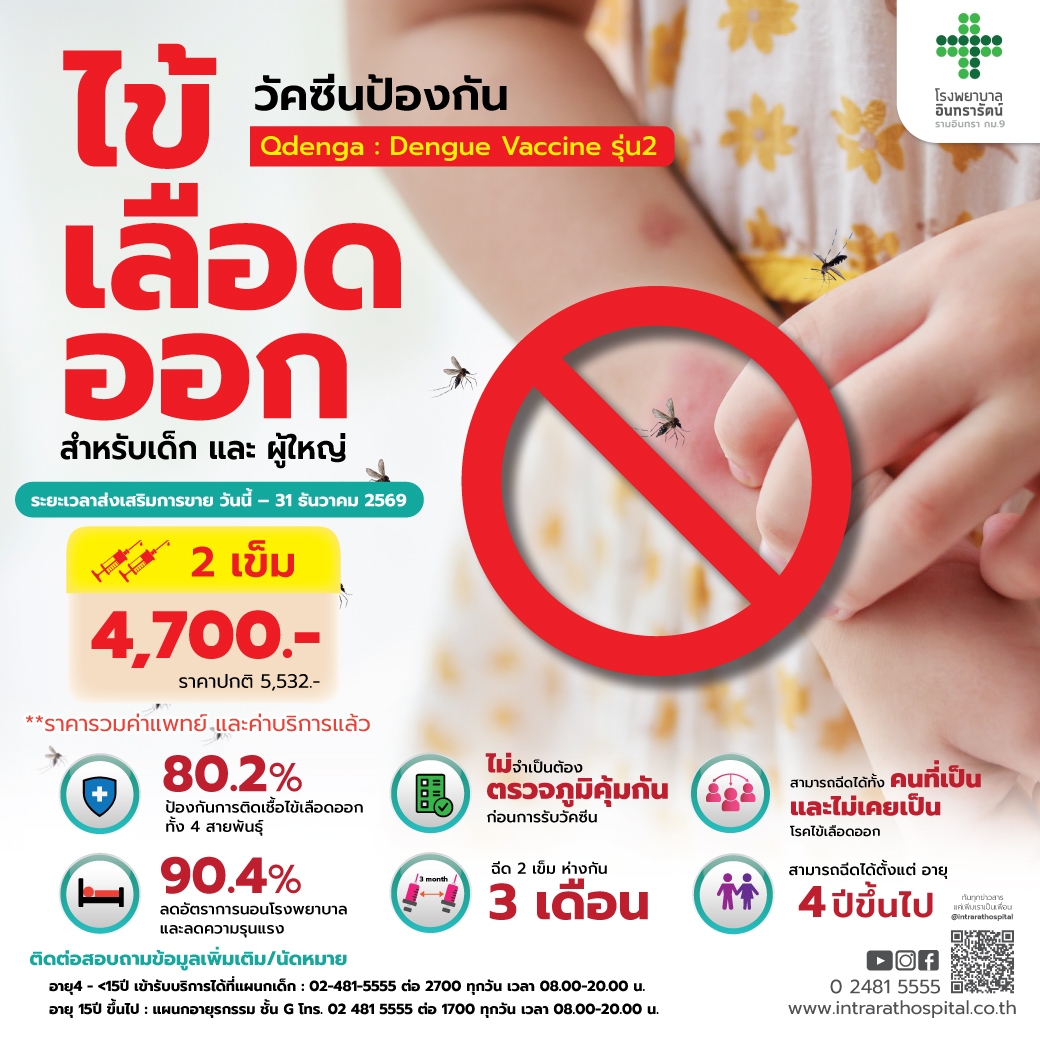
Dengue Vaccination Program (QDENGA VACCINE)
- More
- 30/07/2569 15:39:09
Copyright @ 2021. All Rights Reserved By Intrarat Hospital